
February in D.C. is a bit of a tug-of-war. One day we’re huddled under wool throws watching the sleet hit the Potomac, and the next, a rogue 60-degree afternoon has us dreaming of the cherry blossoms at the Tidal Basin.
In the design world, February is the “In-Between.” You’re likely tired of the heavy textures of deep winter, but it’s too early to break out the citrus prints and patio furniture. Here is how to master the Transition Decor—a way to bridge the gap that feels sophisticated, intentional, and seasonally appropriate.
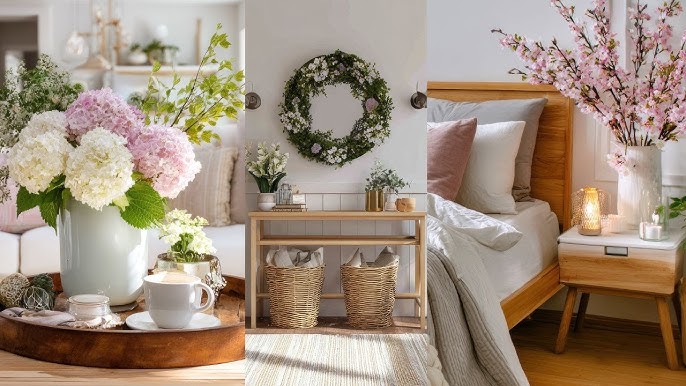
1. The “Lighten Up” Textile Strategy
The quickest way to shift the energy of a room is to change what touches your skin. You don’t have to strip the house bare; you just need to swap the weight of your fabrics.
- The Swap: Trade your heavy faux-fur and chunky wool blankets for waffle-weave cotton or mid-weight linens.
- The Palette: Move away from deep “moody” winter colors like burgundy or forest green. Instead, introduce “Muddy” Spring tones. Think moss green, dusty terracotta, and muted ochre. These colors feel like the earth waking up, but they still have enough visual “weight” to feel cozy if it snows again.
2. From Dried Stems to Forced Bulbs
Winter decor often relies on dried eucalyptus, pine branches, or evergreen wreaths. To signal the coming spring, we need to introduce life—but in a controlled, indoor way.
- The D.C. Move: Visit a local favorite like Jungle & Loom or Little Leaf to find “forced bulbs” like hyacinths, paperwhites, or daffodils in simple glass vessels.
- The Aesthetic: There is something incredibly hopeful about watching a bulb grow on your windowsill while it’s still gray outside. It adds a sculptural, organic element to your coffee table that feels much fresher than a bowl of pinecones.
3. Clear the Visual “Clutter of Comfort”
During the height of winter, we tend to “nest.” We pile pillows high and leave stacks of books everywhere. Transitioning to spring is about breathing room.
- Edit Your Surfaces: Take everything off your mantel or entryway console. Wipe it down. Instead of putting everything back, select three items: one tall (a vase), one flat (a coffee table book), and one organic (the aforementioned bulb).
- Reflective Surfaces: In February, D.C. light can be flat. Ensure your mirrors are clean and positioned to bounce what little afternoon sun we get deep into your living spaces. It mimics the brightness of spring even when the sky is overcast.
4. Scent: The Invisible Transition
We often forget that our homes “smell” like seasons. If you’ve been burning “Fraser Fir” or “Cinnamon Spice” since November, it’s time for a change.
- The Bridge Scent: Look for scents that bridge the gap between woodsy and floral. Sandalwood and Bergamot or Tomato Leaf and Amber are perfect. They have the warmth required for a chilly February evening but the crisp, green notes that hint at May.
The Bottom Line

Transitioning your home isn’t about a total overhaul; it’s about thinning the layers. By leaning into earthy spring tones and living greenery, you create a space that acknowledges the cold outside while quietly cheering for the first signs of life.
Local Tip: If you need a dose of inspiration, take a walk through the U.S. Botanic Garden. It’s the ultimate “cheat code” for seeing how to mix lush greenery with structured, elegant design during the D.C. winter.