
We’ve all been there. You open Pinterest, type in “Modern Living Room,” and within three scrolls, you’re looking at the same bouclé sofa, the same olive tree in a terracotta pot, and the same arched floor lamp.
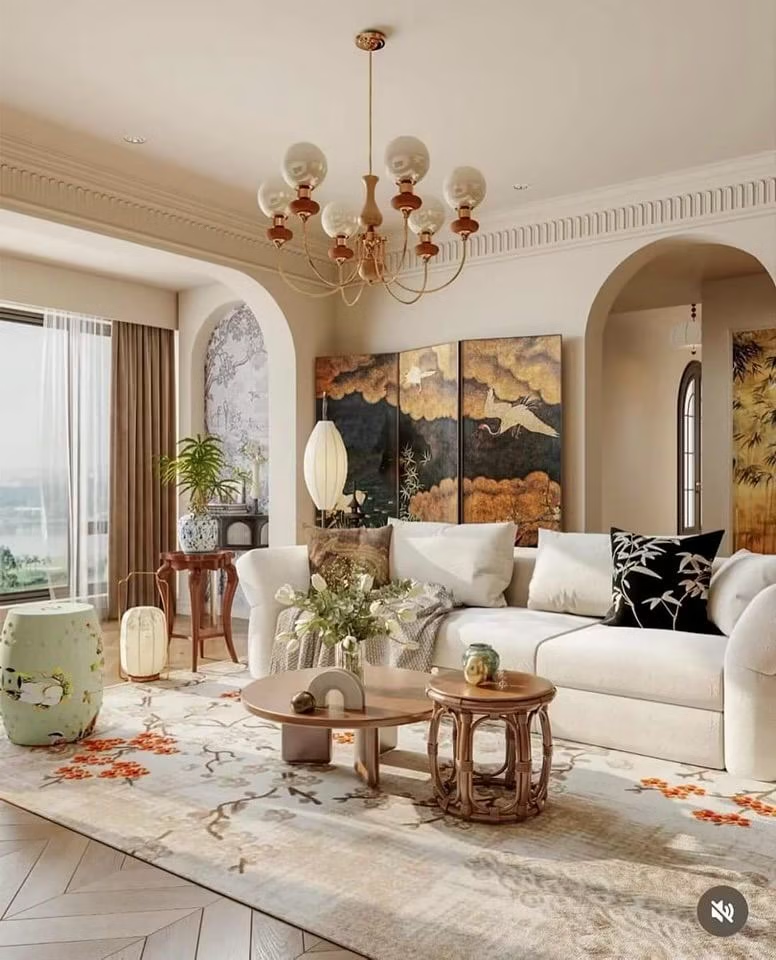
While Pinterest is a fantastic tool for organizing ideas, it’s also an echo chamber. If everyone is looking at the same “Trending” feed, everyone’s home starts to look like a carbon copy of a carbon copy. In 2026, true luxury isn’t about following a trend—it’s about personal narrative.
If you want a home that feels like you and not an algorithm, you have to look where others aren’t. Here are five “outside the box” places to find your next design breakthrough.
1. The High-Fashion Runway
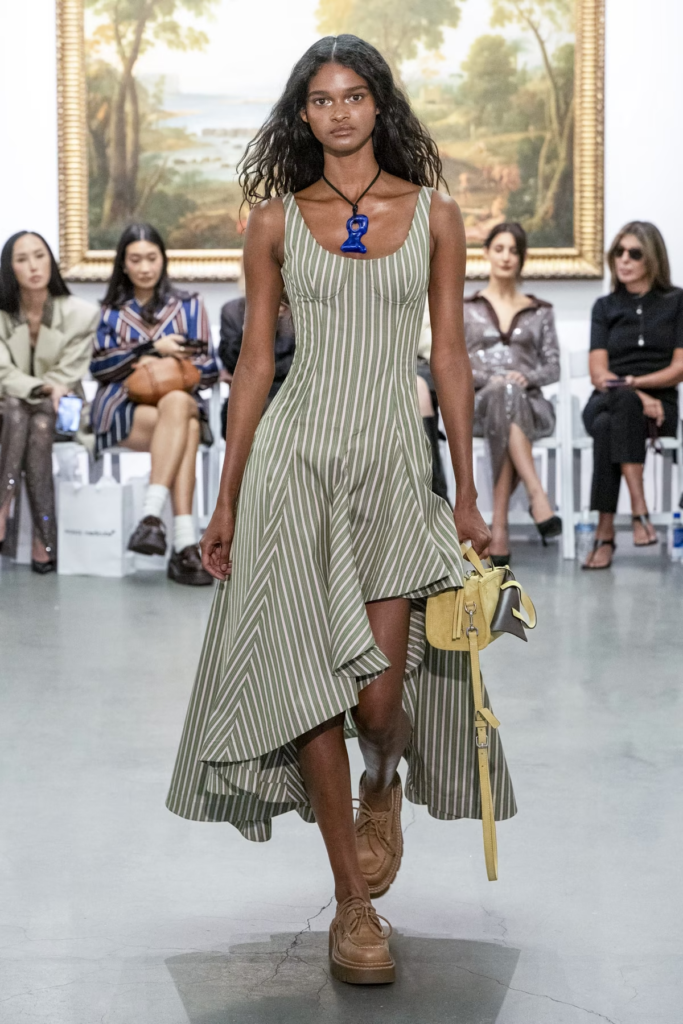
Interior design and high fashion are cousins, but fashion moves faster. If you want to see the color palettes of 2027 today, look at the Spring/Fall collections from houses like Loewe, Hermès, or Schiaparelli.
- How to use it: Don’t look at the clothes as outfits; look at them as texture maps. Is a designer pairing heavy, structured wool with sheer silk? That’s your inspiration for mixing a rugged stone coffee table with delicate linen curtains.
- The 2026 Trend: We’re seeing a lot of “Digital Lavenders” and “Earthbound Ochres” on the runway—perfect shades for a bold powder room or a velvet accent chair.
2. Cinematic World-Building
Great directors don’t just film a scene; they build a universe. Films are masterclasses in Atmospheric Design.
- Wes Anderson: Look here for symmetry, “Color Drenching,” and whimsical, nostalgic palettes.
- Denis Villeneuve (Dune/Blade Runner): Look here for “Brutalist Warmth”—how to use scale, shadows, and raw materials like concrete and sand to create a space that feels both vast and protective.
- The Takeaway: Ask yourself, “What movie do I want my life to feel like?” and pull your lighting cues and furniture silhouettes from that aesthetic.
3. Your Local Topography
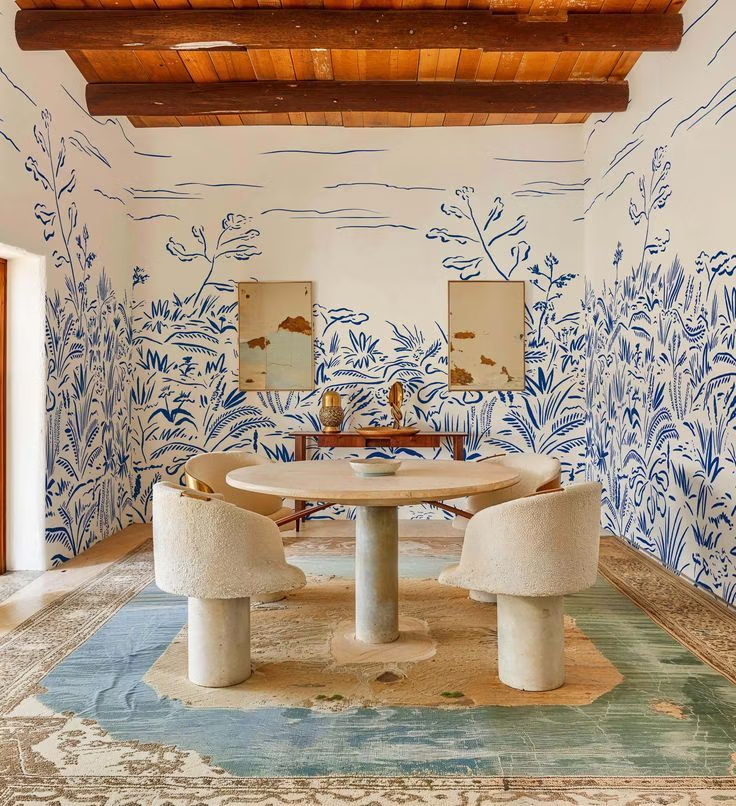
The most timeless homes are the ones that feel “native” to their environment. Instead of forcing a “Coastal Grandma” vibe in a desert climate, look out your window.
- The Palette: Take a photo of the rocks, soil, and native flora in your specific region. In 2026, we call this Bioregional Design. * The Material: If your area is known for limestone, use limestone. If it’s known for deep red clay, use terracotta. Using local materials doesn’t just look better; it’s more sustainable and creates a literal groundedness in your home.
4. The Heirloom Jewelry Box
Sometimes the best inspiration for a 200-square-foot kitchen is a 1-inch brooch. Vintage jewelry is a treasure trove for Hardware and Finishes.
- The Detail: Look at the “patina” of an old gold watch or the intricate “milgrain” edging on an Art Deco ring. This can inspire your choice of cabinet pulls, faucet finishes, or even the inlay of a custom dining table.
- Mixed Metals: Jewelry often mixes silver, gold, and copper in ways interior designers are sometimes afraid to. Use your favorite piece of jewelry as a “permission slip” to mix metals in your bathroom.
5. Digital Museum Archives
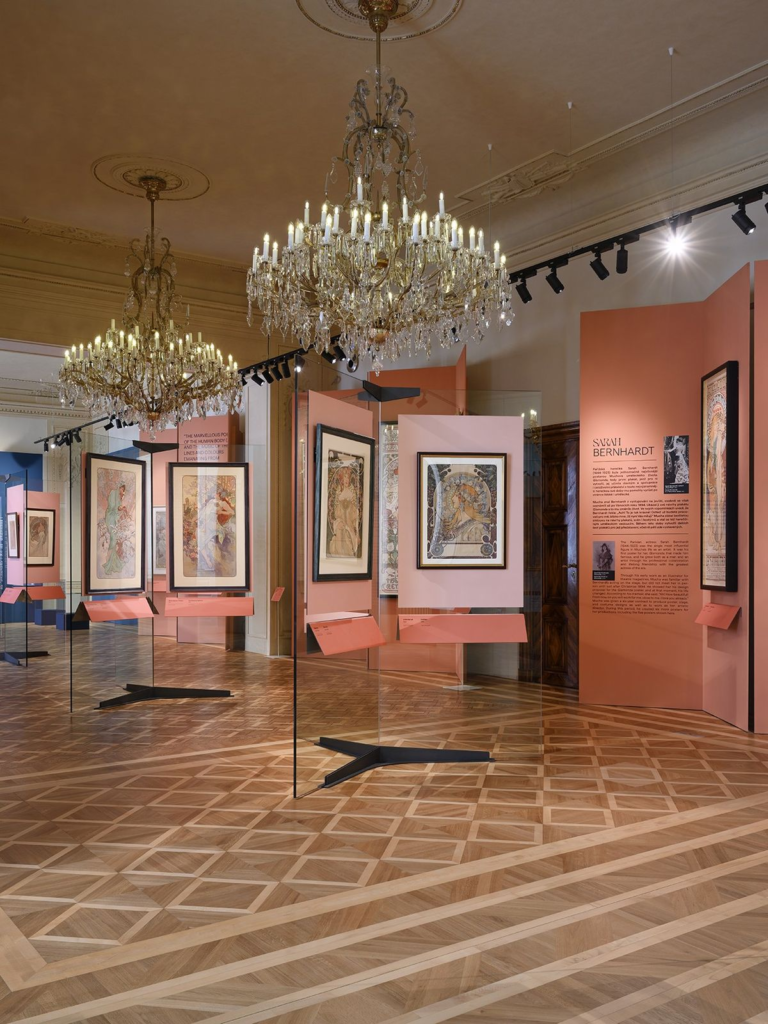
Why look at what’s popular now when you can look at what has been beautiful for centuries? Most major museums (The Met, the V&A, the Louvre) have digitized their entire collections.
- Ancient Pottery: Look at the silhouettes of 18th-century vessels to find the perfect shape for your lighting fixtures.
- Textile Archives: Deep-dive into 19th-century Japanese woodblock prints or French tapestries. These patterns can be reimagined as modern wallpapers or custom upholstery that no one else will have.
The Bottom Line
Inspiration is everywhere, as long as you aren’t looking at a screen that’s trying to sell you a “top-ten” list. By pulling from fashion, film, nature, history, and craftsmanship, you ensure that your home doesn’t just look like a photo—it looks like a life well-lived.