
For years, the “smart home” had a distinct look: glowing blue hubs, tangled nests of white cables, and plastic sensors stuck to every doorframe. It was impressive, sure, but it was rarely beautiful.
In 2026, the trend has flipped. We’ve entered the era of Invisible Tech. The goal is no longer to show off what your home can do, but to let the technology dissolve into the architecture. We are moving away from gadget-heavy rooms toward Seamless Integration, where the smartest thing about your home is that you can’t see the tech at all.
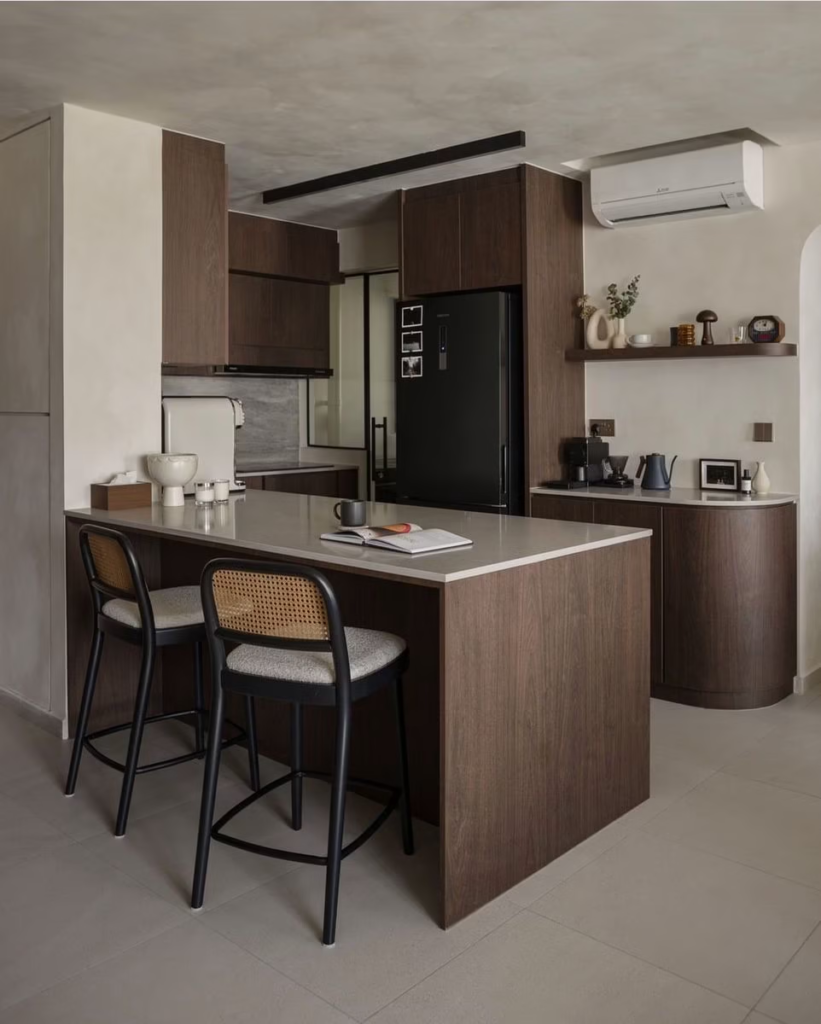
1. The Frame Evolution: Beyond the Television
We are officially past the era of the “Black Mirror”—that giant, dark rectangle that kills the vibe of a curated living room. The latest evolution of display tech has turned the TV into a literal piece of fine art.
- AI-Generated Galleries: In 2026, these displays don’t just show a static photo of a painting. Using built-in AI, they generate unique, ever-changing digital art based on the time of day, the weather outside, or the specific “mood” you’ve set for the room.
- Museum-Grade Realism: With anti-glare, matte finishes and sensors that adjust the “canvas” brightness to match the room’s ambient light, your guests won’t know it’s a screen until you hit Play.
2. Sonic Architecture: Walls That Whisper
Visible speaker grilles and bulky floor speakers are becoming relics of the past. The new frontier is Vibrational Panel Technology, or what we call Sonic Architecture.
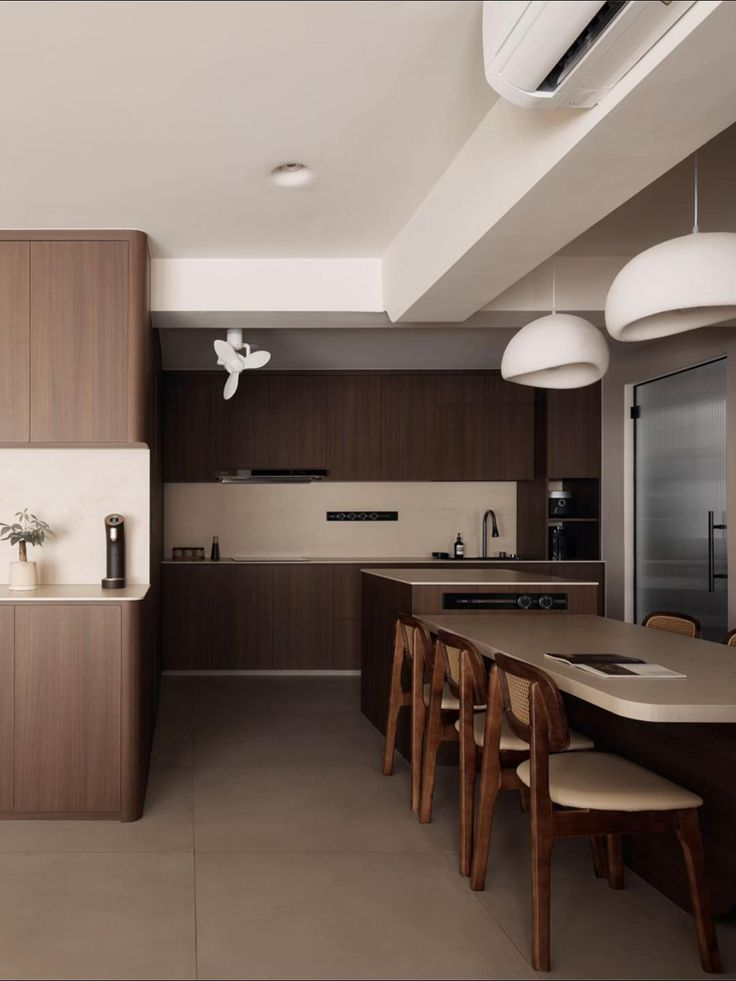
- The Drywall as a Diaphragm: These speakers are installed directly behind your drywall or plaster. They use specialized actuators to turn the wall surface itself into a high-fidelity speaker.
- The Result: 360-degree immersive sound with zero visual footprint. You can paint over them, wallpaper them, or even apply a thin wood veneer. The sound remains crisp, clear, and—most importantly—completely invisible.
3. Charging Surfaces: Power Without the Cord
Nothing ruins a bespoke walnut nightstand or a waterfall marble island like a tangled charging cable. In 2026, we are building the power directly into the furniture.
- Invisible Induction: We are now integrating long-range induction coils beneath stone countertops and wooden surfaces.
- How it works: You simply set your phone or laptop down on a specific (but unmarked) spot on your kitchen island or bedside table, and it begins to charge through the material. No pads, no ports, no clutter. It turns your furniture into a functional power grid while maintaining a clean, minimalist aesthetic.
4. Zero-UI: The End of the Screen
The ultimate invisible tech is the removal of the “User Interface.” We are moving toward a Zero-UI environment where you don’t need to pull out a phone or tap a touch-panel to control your home.
- Presence Sensing: Using mmWave radar (which is much more precise than old motion sensors), your home knows exactly where you are. It can follow you with “Circadian Lighting” or adjust the temperature as you move from the kitchen to the lounge—all without a single command.
- Natural Interaction: Technology is now responsive to gestures and voice in a way that feels like a conversation, not a set of computer prompts.
The Bottom Line
In 2026, luxury is defined by frictionless living. A home that anticipates your needs without demanding your attention is the highest form of modern design. By choosing tech that hides in plain sight, you create a space that feels human-centric, calm, and sophisticated.