
The trend toward urban living and minimalist lifestyles has turned “small space living” from a necessity into an art form. But let’s be honest: without a plan, a cozy apartment can quickly feel like a cluttered cage.
The secret to mastering a compact home isn’t just about throwing things away—it’s about Small Space Strategy. By focusing on “Functional Elegance” and clever optical illusions, you can transform even the tiniest studio into a sophisticated sanctuary.
1. Think Vertically, Not Horizontally
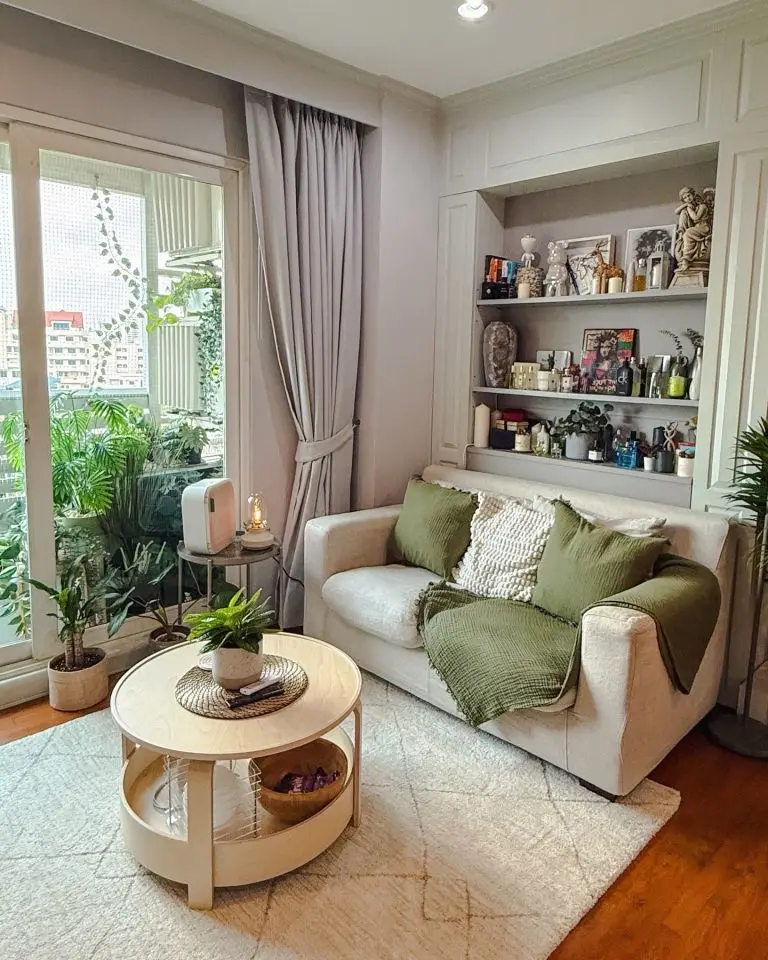
When floor space is at a premium, look up. Most people leave the top third of their walls empty, but that is prime real estate.
- Floor-to-Ceiling Shelving: Tall, narrow bookshelves draw the eye upward, making the ceiling feel higher while providing massive storage.
- Wall-Mounted Everything: From bedside lamps to spice racks, getting items off surfaces creates a “floating” effect that feels airy and organized.
- High Curtains: Hanging your curtain rod a few inches below the ceiling—rather than right at the window frame—tricks the brain into thinking the windows are much larger.
2. The Power of “Leggy” Furniture
One of the most effective strategies is maintaining visual flow. If your furniture sits flat on the ground (like a skirted sofa), it acts as a visual blockade.
- Choose Tapered Legs: Furniture with exposed legs—common in Mid-Century Modern and Victorian styles—allows you to see the floor underneath. The more floor you can see, the larger the room feels.
- Glass and Acrylic: Transparent pieces, like a “ghost” chair or a glass coffee table, provide function without taking up any “visual weight.”
3. Multi-Functional “Transformers”
In a small space, every piece of furniture must earn its keep. If a piece only does one thing, it’s a luxury you might not be able to afford.
| Furniture Item | Secondary Function |
| Storage Ottoman | Footrest + Extra Seating + Blanket Storage |
| Drop-Leaf Table | Compact Console + Full Dining Table |
| Murphy Bed | Sleeping Area + Home Office Desk |
| Hollow Bench | Entryway Seating + Shoe Rack |
4. Color and Light: The Space Expanders
Your palette is your most powerful tool for manipulating the perception of size.
- Monochromatic Magic: Using different shades of the same color (like the soft sage greens or warm neutrals seen in Spring 2026 trends) prevents the room from feeling fragmented.
- Mirrors as Windows: Placing a large mirror opposite a window is a classic designer trick. It doubles the natural light and creates the illusion of a second room beyond the wall.
- Continuous Flooring: Avoid using different rugs to “zone” a tiny room. Using the same flooring or one large rug throughout keeps the space from looking “chopped up.”
5. The “One-In, One-Out” Rule
A small space strategy is only as good as the habits behind it. To prevent “clutter creep,” adopt a strict curation policy. Every time a new decorative object or kitchen gadget enters your home, one must leave. This ensures your home remains a curated collection rather than a storage unit.
The Golden Rule: If you haven’t used it, worn it, or loved it in the last six months, it’s taking up valuable “breathing room” in your home.
Transitioning to a Big Life in a Small Home
Living small doesn’t mean living less. It means surrounding yourself only with things that serve a purpose or bring you joy. With a strategic approach to layout, lighting, and furniture, you can create a home that feels intentionally intimate rather than accidentally small. We make your project a reality.