
In the early 2020s, “luxury” was often synonymous with a specific, polished look: gleaming marble, perfectly matched furniture sets, and a home that looked like a high-end hotel lobby. But as we move through 2026, the definition of luxury has undergone a radical transformation.
Today, the ultimate flex isn’t showing how much you spent; it’s showing how much you care. We are witnessing the Artisan Revival—a movement where the human touch, traceable origins, and “slow” craftsmanship have become the highest markers of status.
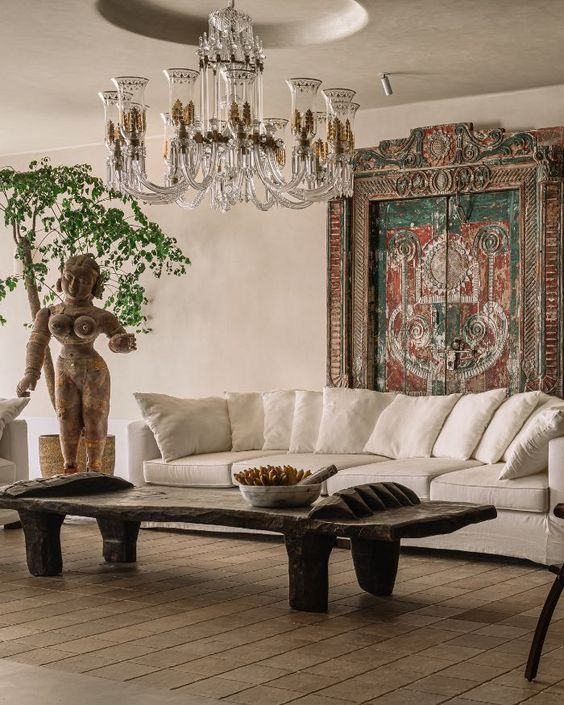
The Death of “Fast Furniture”
For years, the interior world was plagued by the same “throwaway” culture as the fashion industry. Mass-produced pieces were designed to last a season, not a lifetime. In 2026, the most radical design choice you can make is to refuse the “new” in favor of the Bespoke.
Luxury clients are no longer satisfied with items that come out of a box. They want to know the name of the person who hand-turned their walnut dining table. They want to see the slight, beautiful variations in a hand-fired Zellige tile. This is Slow Design: the intentional choice to wait months for a commissioned piece rather than settling for a “placeholder” that arrives in two days.
Why “Imperfect” is the New “Perfect”
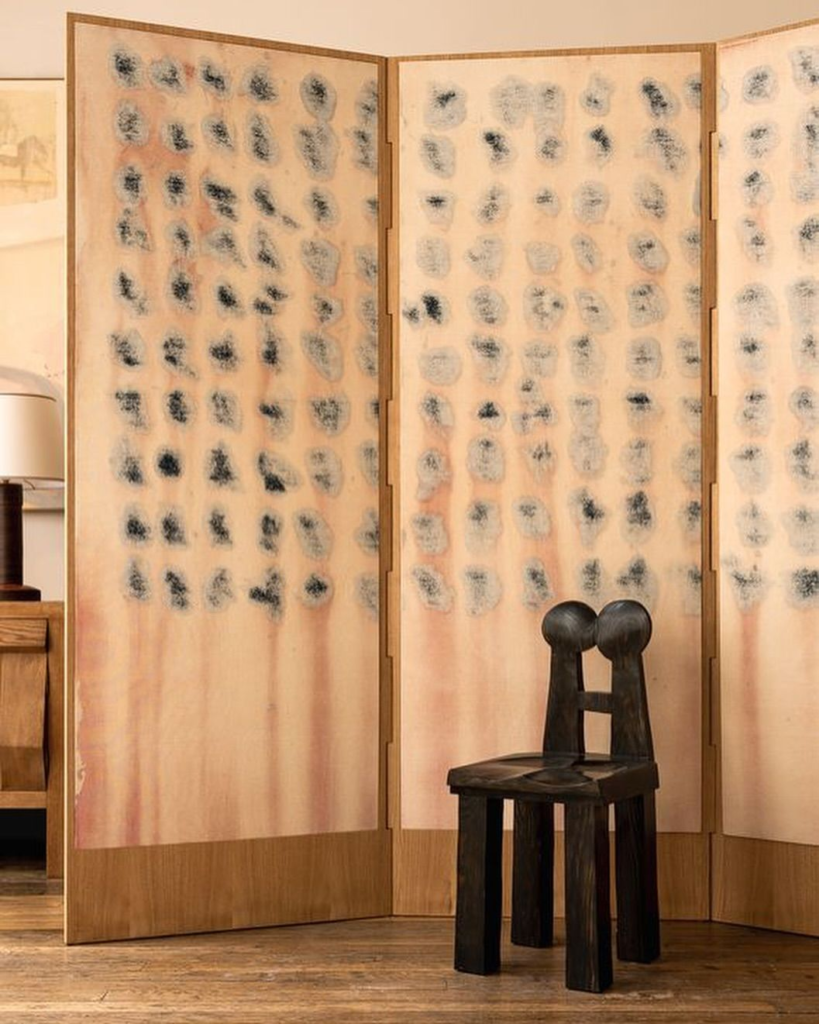
In a world increasingly dominated by AI-generated imagery and machine-perfect finishes, our eyes are starving for something real. The Artisan Revival celebrates Wabi-Sabi—the beauty of imperfection.
- Hand-Applied Finishes: We’re seeing a surge in lime-wash walls, Venetian plaster, and hand-rubbed oils that allow materials to age gracefully and develop a patina.
- Visible Joinery: Instead of hiding how a piece is made, designers are highlighting hand-cut dovetail joints and wooden dowels as decorative elements.
- Tactile Artistry: From hand-woven textiles with irregular slubs to “fat furniture” with hand-stitched seams, the goal is to create a home that begs to be touched.
Traceability as a Status Symbol
In 2026, Sustainability is the New Opulence. A bespoke piece is inherently eco-conscious because it is built to endure for generations. When you commission a local artisan, you aren’t just buying furniture; you’re investing in:
- Reduced Carbon Footprint: Fewer miles traveled from the workshop to your door.
- Cultural Preservation: Supporting traditional crafts like brass casting, wood carving, or weaving that might otherwise be lost to history.
- Circular Design: Choosing materials like reclaimed timber or stone offcuts that have a story before they even enter your home.
How to Start Your Artisan Journey
You don’t need to replace everything at once to embrace this revival. Start with an “Anchor Piece.”
Look for one element in your room—perhaps a hand-thrown ceramic lamp or a custom-built vanity—that feels like it has a “soul.” Allow that piece to dictate the energy of the room. When you surround yourself with objects that have a human story, your home stops being a showroom and starts being a sanctuary.
The Bottom Line
The Artisan Revival is a pushback against the digital age. It’s a reminder that the most beautiful things in life aren’t manufactured; they are grown, carved, and woven. In 2026, a home is only truly luxurious if it feels human.