
For the last two decades, “Open Concept” was the undisputed king of interior design. We tore down walls, merged kitchens with living rooms, and turned our homes into singular, echoing Great Rooms. But as we’ve spent more time living, working, and resting within the same four walls, the flaws of the “big empty box” have become clear: it’s loud, it lacks privacy, and it’s difficult to make feel “cozy.”
In 2026, we are officially entering the era of Zoned Flow.
Zoned Flow is the architectural evolution of the open plan. It maintains the airy, spacious feeling we love but introduces “soft boundaries” that give every activity its own dedicated soul. Here is how to transition your home from a hollow box to a masterfully zoned sanctuary.
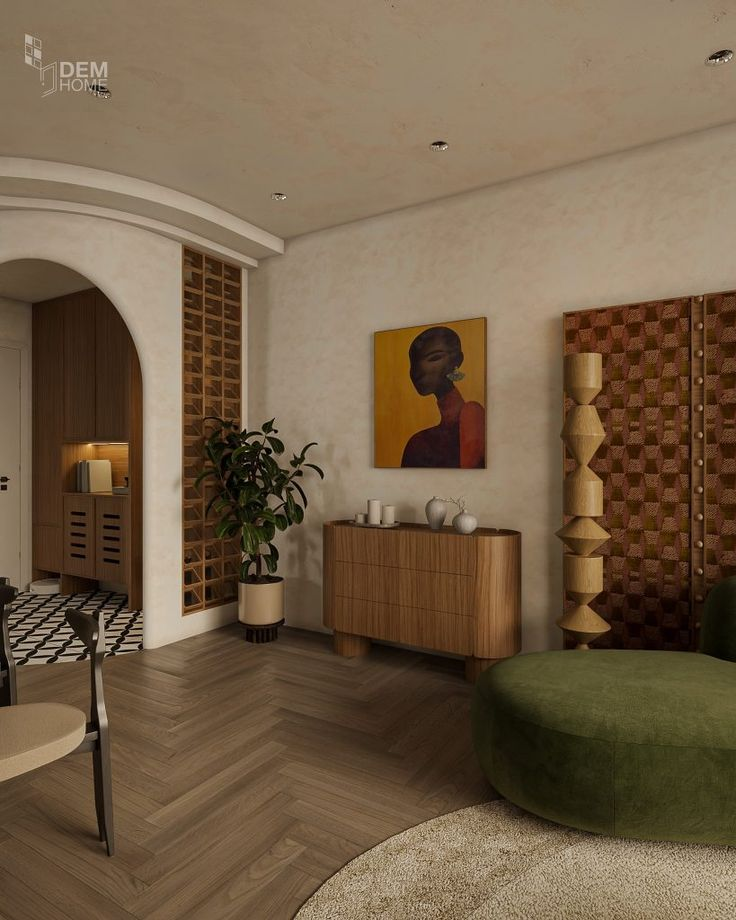
1. The Rise of “Pocket Spaces”
We no longer need massive, dedicated rooms for every hobby. Instead, we are carving out Pocket Spaces—intentional 4×4 or 5×5 alcoves designed for a singular purpose.
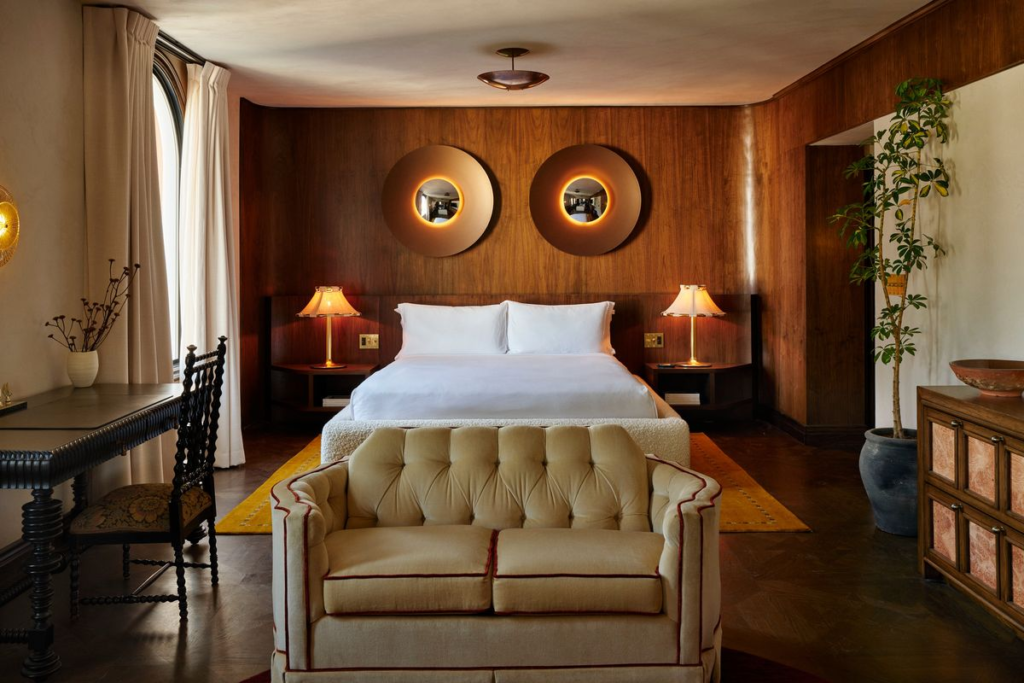
- The Meditation Nook: A small, recessed corner with floor cushions and soft lighting.
- The Deep-Work Alcove: Instead of a sprawling home office, a “cloffice” (closet-office) or a built-in desk tucked behind a decorative screen allows for focus without total isolation.
- The Strategy: Look for “dead space” under stairs or at the end of hallways. These aren’t just corners; they are opportunities for specialized function.
2. Glass Partitioning: Privacy Without the Darkness
The biggest fear of closing off a room is losing that precious natural light. The 2026 solution? Architectural Glass.
- Reeded and Fluted Glass: Using textured glass walls allows light to pass through while blurring the view. It’s the perfect way to separate a messy kitchen from a formal dining area or a master bedroom from an en-suite bath.
- The Benefit: It provides an acoustic barrier (essential for those mid-day Zoom calls) without making the home feel smaller. It’s a “visual whisper” rather than a solid “no.”
3. The Sunken Lounge: Defining Space Through Levels
If you want to define a “zone” without building a single wall, look to the floor. The Sunken Lounge (or modern conversation pit) is making a massive comeback as the ultimate “social anchor.”
- How it works: By dropping the floor level of the seating area just 12 to 18 inches, you create a psychological boundary. When you step down into the lounge, your brain signals that it’s time to disconnect and socialize.
- The 2026 Twist: We are seeing these lounges wrapped in high-texture fabrics like mohair or deep-pile rugs, creating a “nest” effect that feels incredibly secure and intimate within a larger room.
Why Zoned Flow Wins
Zoned Flow isn’t about going back to the dark, chopped-up rooms of the 1970s. It’s about Intentionality. A home with Zoned Flow:
- Reduces Acoustic Stress: Sound doesn’t bounce off every hard surface in the house.
- Promotes Focus: It creates “micro-environments” that match your mental state.
- Enhances Aesthetics: It allows you to use different color palettes (like Color Drenching!) in specific zones without them clashing.
The Bottom Line
The “Great Room” was a great start, but in 2026, we demand more from our square footage. We want a home that breathes with us—opening up when we entertain and tucking us away when we need to recharge