
Living in the Washington, D.C. area means existing at a fascinating global crossroads. Between Embassy Row, foreign service assignments, international consulting, and a deep-rooted appreciation for history, homes across the DMV are uniquely rich with story. Many of our clients return from years abroad in Tokyo, London, or Nairobi with incredible collections—hand-carved Turkish dowry chests, vibrant Moroccan Beni Ourain rugs, or intricate Chinese lacquer panels.
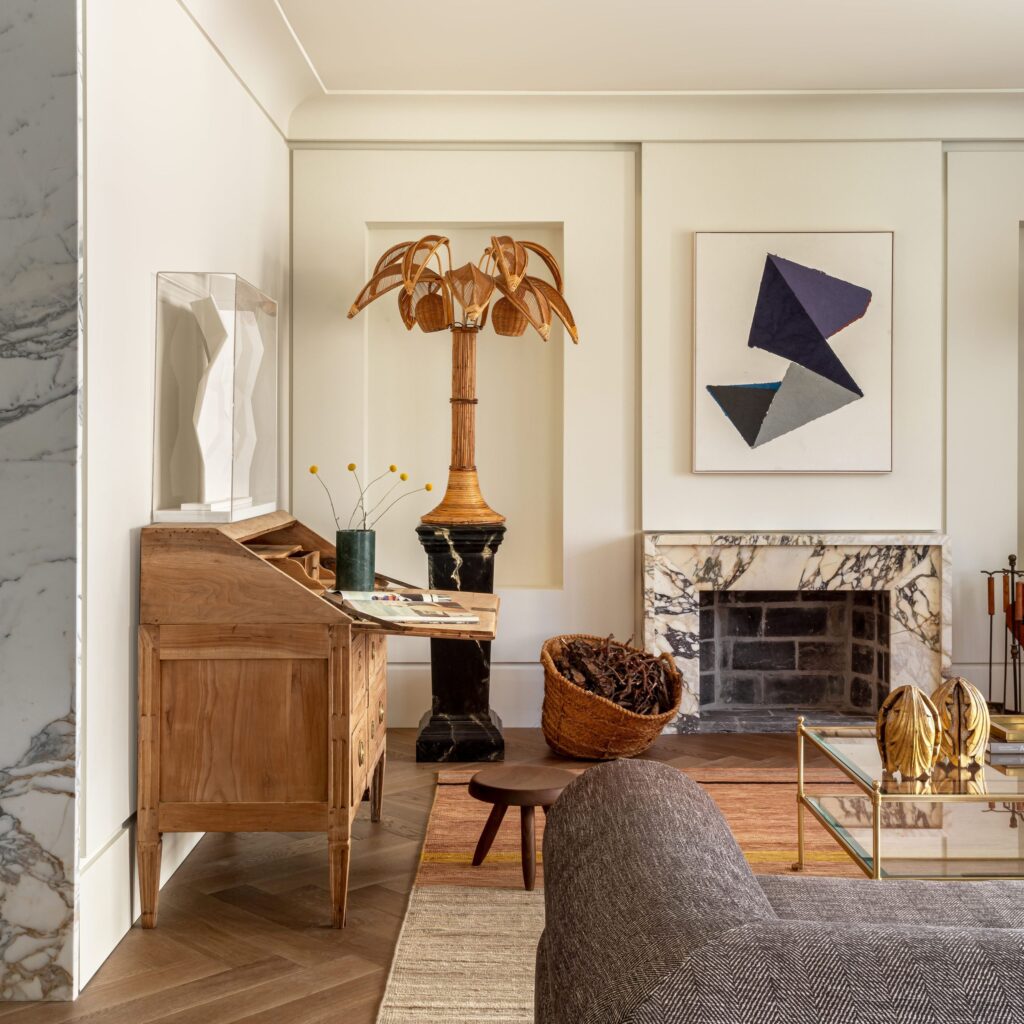
But a common design anxiety quickly follows: How do I display these priceless, soul-filled pieces without making my home look like a cluttered museum or an eclectic thrift shop?
The secret lies in the art of the juxtaposition. By pairing the clean lines of contemporary design with the rich, textured history of global antiques, you create a space that feels deeply personal, highly curated, and effortlessly sophisticated.
Here is our design firm’s foolproof guide to mastering “Modern Diplomat” style in your D.C. home.
1. Establish a Clean, Contemporary Foundation
When you are working with visually heavy, intricate antiques, the surrounding architecture needs to breathe. Think of your room as an art gallery: the background should support the art, not compete with it.
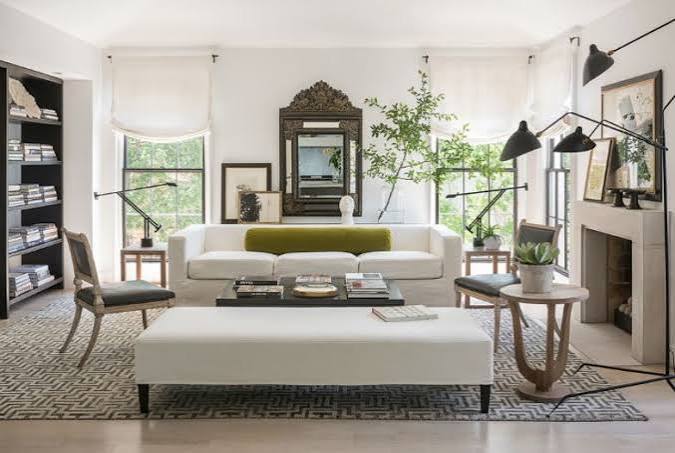
- The Palette: Stick to a sophisticated, neutral color palette for your walls and large upholstered furniture. Think soft alabasters, muted taupes, or deep, grounding charcoals.
- The Furniture: Anchor the room with a high-end, clean-lined contemporary sofa. A low-profile, minimalist sectional or a sleek track-arm sofa provides a sharp visual contrast to the organic shapes and ornate carvings of an antique.
2. Play with the 80/20 Rule
To keep the space looking intentional, avoid a perfect 50/50 split between old and new. A half-and-half room creates visual tension, making it look like two entirely different design styles are fighting for dominance.
Instead, aim for roughly 80% contemporary elements and 20% antique statements (or vice versa, if you prefer a more historic aesthetic).
Designer Tip: Let one major antique steal the spotlight in a room. If you have an exquisite, hand-knotted Persian rug, let it be the single historic floor element. Balance it by keeping the surrounding coffee table, armchairs, and drapery undeniably modern and streamlined.
3. Bridge the Gap with Texture and Material
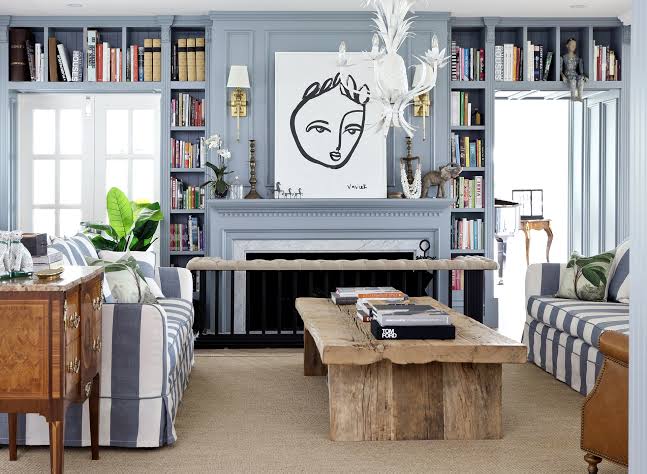
How do you make an 18th-century French console table look like it belongs next to a modern architectural armchair? You connect them through shared material or tactile finishes.
| The Antique | The Contemporary Bridge | Why it Works |
| Ornate, dark wood Indian chest | Sleek matte-black iron light fixture or metal-framed side tables | The dark tones catch each other, grounding the room. |
| Vibrant, colorful Uzbek Ikat textiles | Clean, minimalist linen sofa or boucle pillows | The raw, organic textures feel cohesive, while the neutral fabric calms the busy pattern. |
| A weathered, rustic European farm table | High-gloss lacquered dining chairs or a structural glass chandelier | The extreme contrast of rough wood against ultra-smooth, reflective surfaces feels highly intentional and designer-forward. |
4. Rethink the Function of Your Antiques
One of our favorite design tricks for D.C. rowhouses and condos is taking a historic piece and giving it a completely modern, unexpected job.
Don’t just place an antique cabinet against a wall—integrate it into your daily life. Turn a beautiful, deeply carved East Asian screen into a dramatic headboard in the master bedroom. Convert an antique Irish dresser into a sleek dry bar, complete with modern glassware and integrated LED lighting. Or, take smaller global artifacts—like African beaded currency or ceremonial fans—and mount them in clean, floating acrylic frames.
5. Pay Attention to Lighting
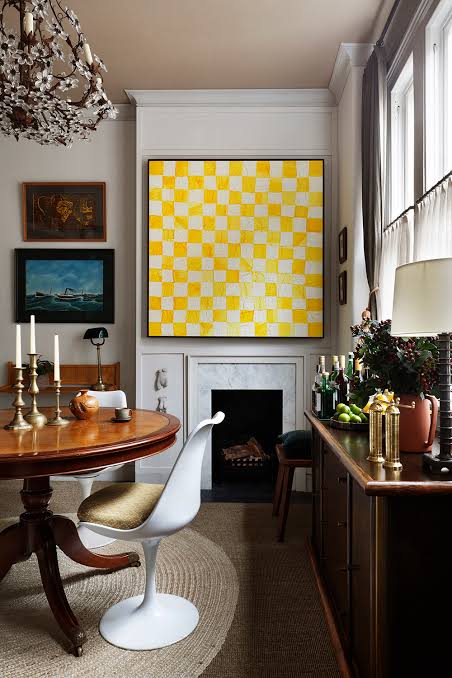
Nothing ages an antique more (in a bad way) than poor lighting. To make global pieces feel fresh and relevant, illuminate them with cutting-edge, contemporary lighting design.
Flank a historic oil portrait with ultra-slim, architectural matte-black sconces. Hang a geometric, sculptural LED chandelier above an antique dining table. The contrast of warm, historic woods glowing under crisp, modern silhouettes creates an instant designer moment that feels incredibly sophisticated.
Ready to Curate Your Story?
Your home shouldn’t look like a page out of a generic furniture catalog—it should look like a reflection of your life’s journeys. Blending eras and continents takes confidence, but when done right, it yields an interior that never goes out of style.
If you have a collection of treasures from your travels or family heirlooms that you’re struggling to integrate into your space, we’d love to help. Get a consultation at www.paulbaldwin.com